


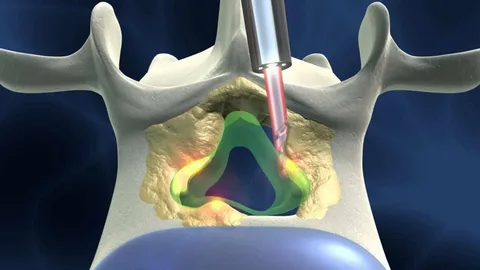
Thoracolumbar spine fractures occur in the middle to lower part of the back. It may happen due to trauma or weak bones. A spinal fracture is a serious injury which occurs in the thoracic (mid-back) and lumbar (lower back) spine or where the thoracic and lumbar connect (thoracolumbar junction). Major vehicle accidents or long-distance falls may be the main reasons for these types of Injuries.
Choosing the best treatment for thoracolumbar spine fractures depends on several factors, including the type of the injury, neurological symptoms, spine stability, and overall health. As per discussion with the best spine surgeons in India, we will highlight surgical vs non-surgical spine fracture treatment. It will help you to understand what might be right for your condition.
What is a Thoracolumbar Spine Fracture?
The thoracolumbar region includes vertebrae T11 to L2 and is particularly vulnerable due to the change in mobility between the rigid thoracic spine and the more flexible lumbar region. A fracture in this area may affect the spinal cord or nerve roots, potentially leading to pain, weakness, or loss of function.
Common causes include:
- High-impact trauma (e.g., vehicle crashes, falls)
- Sports injuries
- Osteoporotic bone weakening
- Cancer or infection (in rare cases)
Depending on the extent of damage, treatment options can range from conservative care to surgical intervention.
Thoracolumbar Spine Fracture Treatment Options
Understanding your thoracolumbar spine fracture treatment options is key to a successful recovery. Treatment usually falls into two broad categories: non-surgical and surgical.
Non-Surgical Treatment (Conservative Management)
Non-surgical care is often the first line of treatment, especially when:
- The fracture is stable (i.e., the spine can support weight without risk of collapse)
- There is no neurological damage
- The patient has good bone health
- Pain is manageable without strong medication
Common Non-Surgical Treatments Include:
- Bracing: A rigid or semi-rigid brace may be used for 8–12 weeks to support the spine and allow healing.
- Pain management: Anti-inflammatory medications, muscle relaxants, and rest can help ease discomfort.
- Physical therapy: Once healing begins, physical therapy strengthens the muscles supporting the spine and improves mobility.
- Activity modification: Avoiding heavy lifting, twisting, or strenuous activities during recovery.
Advantages:
- Avoids surgical risks
- Lower cost
- No anesthesia required
- Suitable for patients with high surgical risk
Disadvantages:
- Longer healing time
- Potential for loss of spinal alignment
- May not work if fracture worsens over time
Surgical Treatment
Surgery is recommended when:
- The fracture is unstable or displaced
- There’s evidence of spinal cord or nerve compression
- Pain is severe and unmanageable
- Non-surgical treatment fails
- There is progressive spinal deformity or kyphosis
Common Surgical Procedures Include:
- Spinal Fusion: Involves joining two or more vertebrae to stabilize the spine.
- Vertebroplasty/Kyphoplasty: Minimally invasive procedures where bone cement is injected into the fractured vertebra to stabilize and restore height.
- Decompression Surgery: Removes bone or disc fragments pressing on spinal nerves.
- Instrumentation and Fixation: Screws and rods may be used to hold the spine in place while it heals.
Advantages:
- Faster pain relief
- Immediate stabilization
- Better correction of spinal deformity
- Lower risk of long-term complications in severe cases
Disadvantages:
- Higher cost
- Surgical risks (bleeding, infection, anesthesia-related complications)
- Recovery time and physical rehab required
Surgical vs Non-Surgical Spine Fracture Treatment: What’s Right for You?
The decision between surgical vs non-surgical spine fracture treatment depends on:
- Fracture type and stability
(Stable fractures can often be treated non-surgically.) - Neurological involvement
(Any signs of nerve compression or paralysis usually require surgery.) - Overall health and bone quality
(Osteoporotic fractures may need special surgical techniques or bracing.) - Pain level and function
(Severe, persistent pain despite conservative care may indicate surgical need.) - Patient lifestyle and recovery goals
(Athletes or younger patients may benefit from surgical correction for quicker return to activity.)
Always consult an experienced spine specialist to evaluate your condition thoroughly and suggest a treatment plan that balances safety, effectiveness, and long-term function.
Choosing the Best Treatment Path
If you are unsure about which option is right for you, seek consultation with the Best Spine Surgeon in India. A skilled and experienced surgeon can assess your spine’s condition with advanced imaging, consider your medical history, and recommend the most suitable care plan—whether surgical or non-surgical.
India is home to several world-class spine centers equipped with modern technology, skilled professionals, and comprehensive care models. Getting treatment at the Best Spine Center in India offers numerous advantages:
- Access to minimally invasive procedures
- Multidisciplinary team of spine experts
- Faster diagnostics and personalized care plans
- Affordable, globally accredited medical services
- Advanced rehab and follow-up support
Final Thoughts
Thoracolumbar spine fractures can range from minor cracks to severe spinal damage. Understanding the thoracolumbar spine fracture treatment options and working with the Best Spine Surgeon in India ensures that your treatment is not only safe but also tailored to your recovery needs.
Whether you need surgery or conservative care, early diagnosis and the right approach can help prevent complications and improve long-term spinal health. When in doubt, don’t hesitate to seek a second opinion from a recognized expert at the Best Spine Center in India.
