


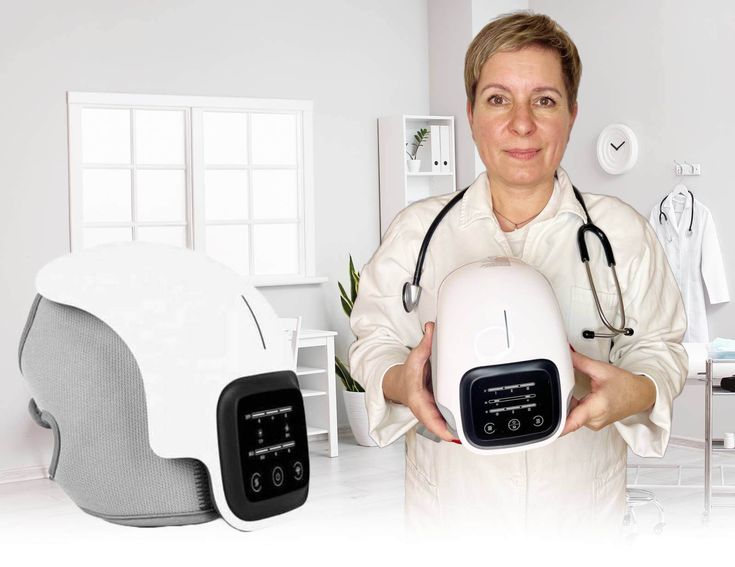
Weather-Induced Joint Pain? How a Heated Knee Massager Saves Winters
Why Cold Weather Makes Knee Pain Worse
For many people, winter brings more than just cold air—it brings stiff, achy joints. Knee discomfort often becomes more noticeable when temperatures drop, even in individuals who do not normally experience joint pain.
Cold weather causes muscles and connective tissues around the knee to contract and tighten. This reduces flexibility and can make movement feel heavier and more restricted. At the same time, lower temperatures can slow circulation, meaning less warm blood reaches the joint area.
The result is a familiar winter pattern: stiff knees in the morning, discomfort during movement, and increased sensitivity after periods of rest. Thus a knee massager brand is best product to choose.
The Science Behind Weather-Related Joint Stiffness
While weather itself does not directly damage the joints, it influences how the body responds. Cold temperatures can make surrounding muscles less elastic, increasing resistance during movement.
Reduced physical activity in winter also contributes to the problem. People naturally move less in colder months, which further slows circulation and allows stiffness to build.
For those with existing knee issues, arthritis tendencies, or past injuries, these effects can feel even more pronounced.
Why Heat Becomes Essential in Winter Recovery
Heat is one of the most effective ways to counteract cold-induced stiffness. It works by expanding blood vessels, improving circulation, and relaxing tight muscles around the joint.
When warmth reaches the knee, tissues become more flexible and responsive. This makes movement smoother and reduces the feeling of tightness that often accompanies cold weather.
This is exactly why heated knee massagers have become especially popular during winter months.
How a Heated Knee Massager Works
A heated knee massager delivers controlled warmth directly to the joint area. Unlike external heating methods that may cool quickly or provide uneven coverage, these devices are designed to maintain consistent temperature around the knee.
Most models combine heat with additional functions such as gentle compression or vibration. This combination helps stimulate circulation while relaxing deeper muscle layers.
The result is a more complete warming effect that goes beyond surface-level comfort.
Restoring Circulation in Cold Conditions
One of the biggest challenges in winter is reduced blood flow to the extremities. Cold temperatures naturally cause blood vessels to narrow, which can increase stiffness in the knees and surrounding muscles.
A heated knee massager helps reverse this effect by promoting vasodilation—widening of blood vessels—which improves circulation.
Better blood flow means more oxygen reaches the muscles, reducing heaviness and improving mobility even in cold environments.
Reducing Morning Stiffness During Winter
Morning stiffness is a common complaint in colder seasons. After hours of inactivity during sleep, joints already tend to feel tight, and winter temperatures amplify this effect.
Using a heated knee massager in the morning helps gently warm the tissues and prepare the joint for movement. Within minutes, stiffness often decreases and walking becomes easier.
This simple routine can make winter mornings significantly more comfortable.
Supporting Daily Mobility in Cold Weather
Cold-induced knee stiffness can make even basic activities feel challenging, such as walking, climbing stairs, or standing for long periods.
A heated knee massager supports daily mobility by keeping the joint warm and flexible. Regular use helps maintain consistent comfort throughout the day, rather than waiting for discomfort to appear.
This proactive approach is especially helpful for individuals with active lifestyles or physically demanding routines.
Preventing Winter-Related Muscle Tightness
Muscle tightness tends to build more quickly in cold weather. The quadriceps, hamstrings, and calves can all become less flexible, placing additional strain on the knee joint.
Heat therapy helps prevent this buildup by keeping muscles relaxed and pliable. When combined with gentle vibration or compression, it further supports muscle recovery and reduces tension.
This helps maintain better movement quality throughout the winter season.
A Simple Winter Recovery Routine
A heated knee massager is easy to incorporate into a daily routine. Short sessions of 10 to 15 minutes are typically enough to reduce stiffness and improve comfort.
It can be used in the morning to ease stiffness, after outdoor activity to restore warmth, or in the evening to relax the knees before rest.
Consistency is key to maintaining joint comfort throughout colder months.
Safe and Comfortable Use in Cold Seasons
Heated knee massagers are designed for gentle, controlled warmth. The goal is comfort and relaxation, not excessive heat.
Moderate temperature settings are usually sufficient for winter relief. If any discomfort occurs, settings should be lowered immediately.
When used properly, they provide a safe and effective way to manage seasonal joint stiffness.
Conclusion
Cold weather often intensifies knee stiffness by reducing circulation and increasing muscle tightness. While this is a common seasonal issue, it does not have to limit mobility or comfort.
A heated knee massager offers a practical solution by restoring warmth, improving blood flow, and relaxing the muscles around the joint.
For anyone struggling with winter-related joint discomfort, it provides a simple and effective way to stay mobile, comfortable, and active throughout the cold season.
