


Understanding the Spinal Decompression Table: How It Can Help Relieve Back Pain
Back pain is a prevalent and often debilitating condition that affects millions of people worldwide. In Australia alone, approximately 16% of the population experiences back problems each year, with a significant portion seeking effective treatments to alleviate their discomfort.
According to the Australian Institute of Health and Welfare (AIHW), back problems are one of the leading causes of disability and healthcare consultations in the country. Source: aihw.gov.au.
Among the many treatments available, spinal decompression therapy has gained attention as an effective non-invasive option for relieving chronic back pain, particularly for individuals suffering from conditions such as herniated discs, sciatica, or degenerative disc disease.
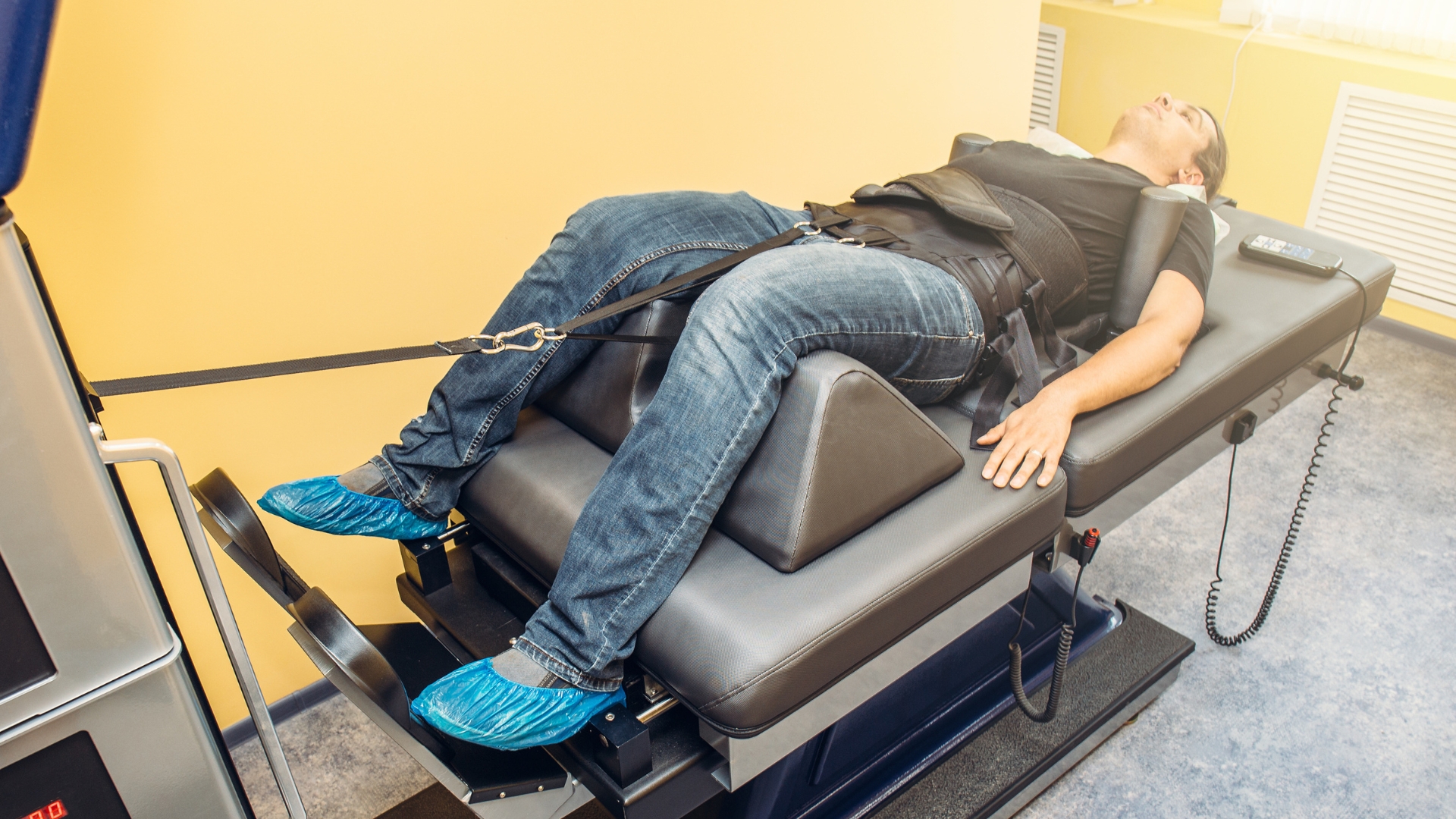
A crucial component of spinal decompression therapy is the spinal decompression table, a specialized device designed to provide controlled traction to the spine.
In this article, we’ll dive deep into what a spinal decompression table is, how it works, and how it can help relieve back pain.
What is a Spinal Decompression Table?
A spinal decompression table is a medical device used to treat various types of back pain by gently stretching the spine. This process helps to relieve pressure on the intervertebral discs (the soft cushions between the vertebrae) and spinal nerves, which can become compressed due to conditions like herniated or bulging discs, spinal stenosis, or degenerative disc disease.
The table operates by applying a controlled amount of traction or stretching force to the spine, gradually separating the vertebrae and creating negative pressure in the spinal discs. This negative pressure helps to pull herniated discs back into place and promotes the intake of nutrients, oxygen, and fluids into the discs, which is vital for their healing. The ultimate goal is to relieve pain, improve spinal function, and restore mobility without the need for surgery.
How Does a Spinal Decompression Table Work?
Spinal decompression tables are designed to target specific areas of the spine, such as the lumbar (lower back) or cervical (neck) regions, depending on the patient’s condition. Here’s a step-by-step overview of how the table works:
Positioning the Patient
The patient is typically asked to lie down on the table, either on their back or stomach, depending on the treatment protocol and the area being targeted. A harness or strap is placed around the patient’s pelvis or torso, which helps to anchor the body while allowing the spine to be stretched.
Applying Traction
The decompression table then gently applies controlled traction to the spine. The amount of force and the duration of the stretching are carefully calibrated to avoid causing discomfort or injury. The machine will typically alternate between periods of traction (stretching) and relaxation (release). This alternation mimics the natural movement of the spine, helping to create a cycle that reduces pressure on the discs.
Intermittent or Continuous Stretching
Spinal decompression tables use two main types of decompression techniques: intermittent and continuous. In intermittent decompression, the table applies traction for a set amount of time and then releases it before applying traction again. In continuous decompression, the table applies a constant, steady stretch throughout the treatment. Both methods have their benefits, and the choice depends on the patient’s condition and the recommendation of the treating healthcare provider.
Duration of Treatment
A typical session on a spinal decompression table lasts between 20 to 30 minutes. A series of sessions is usually recommended for optimal results, with the frequency of treatments decreasing as the patient experiences relief.
Conditions Treated with Spinal Decompression Tables
Spinal decompression therapy is effective for treating a variety of back-related conditions, including:
Herniated or Bulging Discs
A herniated disc occurs when the soft material inside a spinal disc protrudes out, pressing on nearby nerves and causing pain, numbness, or tingling. Spinal decompression helps by gently pulling the vertebrae apart, reducing pressure on the affected disc and allowing it to retract into its normal position.
Degenerative Disc Disease
As we age, the discs in our spine lose water content and become less flexible, which can lead to chronic back pain. Decompression therapy can improve the flow of nutrients into the discs, helping to slow down or prevent further degeneration.
Sciatica
Sciatica refers to pain that radiates along the sciatic nerve, typically caused by compression of the nerve in the lower back. Spinal decompression can help alleviate pressure on the sciatic nerve, reducing pain and discomfort.
Spinal Stenosis
Spinal stenosis is a condition where the spaces in the spine narrow, putting pressure on the spinal cord and nerves. Decompression therapy can create more space between the vertebrae, relieving this pressure and helping to reduce pain.
Facet Joint Pain
Facet joints connect the vertebrae in the spine and can become inflamed or irritated, leading to localized back pain. Spinal decompression can reduce the pressure on these joints, promoting healing and alleviating pain.
Benefits of Using a Spinal Decompression Table
There are several reasons why individuals with chronic back pain choose spinal decompression therapy and spinal decompression tables. Some of the most notable benefits include:
Non-Invasive Treatment
One of the most significant advantages of spinal decompression therapy is that it offers a non-surgical alternative to treating chronic back pain. Unlike surgery, which carries risks and requires significant recovery time, spinal decompression therapy is a gentle, non-invasive procedure that requires no incisions or anesthesia.
Relief from Chronic Pain
Many patients experience significant pain relief after just a few sessions on a spinal decompression table. The process of gently stretching the spine and relieving pressure on the discs and nerves can help reduce inflammation, promote healing, and provide lasting pain relief.
Improved Mobility and Flexibility
By reducing pain and improving spinal health, spinal decompression can also enhance mobility and flexibility. Patients often report greater range of motion in their back and neck after undergoing treatment, which can improve their ability to perform everyday tasks and engage in physical activities.
Reduced Reliance on Pain Medications
Spinal decompression therapy provides a natural alternative to pain medications, which can be addictive and have unwanted side effects when used long-term. Many patients who undergo spinal decompression therapy find that they can reduce or eliminate their reliance on painkillers.
Faster Recovery Time
Compared to invasive surgical options, spinal decompression therapy typically requires minimal recovery time. Most patients are able to return to their normal activities immediately after a session, making it a convenient treatment for those with busy lifestyles.
What to Expect During a Spinal Decompression Session
Before undergoing spinal decompression therapy, you will likely have a consultation with a healthcare provider, such as a chiropractor or physiotherapist, to assess your condition and determine if decompression therapy is right for you. Once approved, the treatment itself is simple and straightforward:
- Initial Setup: You will be asked to lie on the decompression table, and a harness will be placed around your body.
- Traction Application: The machine will begin applying controlled traction to your spine, with the amount of force adjusted according to your condition and comfort level.
- Relaxation Periods: The machine will alternate between applying traction and allowing your spine to relax, providing a gentle stretching motion.
- Post-Treatment Care: After the session, your provider may give you specific instructions for at-home care, such as exercises or stretches to complement the treatment.
Is Spinal Decompression Right for You?
Spinal decompression therapy is safe for most individuals experiencing chronic back pain, but it may not be suitable for everyone. People with conditions like osteoporosis, fractures, or severe arthritis should consult with a healthcare provider before considering spinal decompression.
For many individuals, however, spinal decompression therapy offers an effective, low-risk alternative to surgery and medications. If you suffer from back pain and are looking for a non-invasive solution, a spinal decompression table could be the right choice for you.
Spinal decompression therapy, delivered through a spinal decompression table, is an innovative and effective treatment for chronic back pain caused by conditions like herniated discs, sciatica, and degenerative disc disease.
By gently stretching the spine and reducing pressure on the discs and nerves, this non-invasive treatment can provide significant relief, improve mobility, and reduce reliance on medications.
If you’re struggling with back pain and looking for a non-surgical option, spinal decompression therapy may offer the solution you need. Always consult with a healthcare provider to determine if this treatment is right for your specific condition.
